How to Prevent Sports Injuries Through Recovery
Whether you’re hitting the hiking trail, ski slopes, training for your next race, or simply enjoying an active lifestyle, understanding how to prevent sports injuries is essential for staying healthy and performing at your best.
While strength training, proper technique, and adequate rest all play important roles in sports injury prevention, recovery is often the missing piece. One of the most effective ways to support year-round recovery is through regular sports massage treatment.
How Massage Supports Sports Injury Prevention Year-Round
Every season brings new ways to stay active, and each activity places unique demands on your body. From skiing and snowboarding to hiking, cycling, kayaking, and running, every outdoor adventure challenges your muscles and joints. Without proper recovery, repetitive movement and physical exertion can increase muscle fatigue, tightness, and the risk of injury.
Massage supports sports injury prevention by preparing your body for these activities, improving flexibility, increasing circulation, reducing muscle tension, and promoting healthy movement patterns. After a workout or outdoor adventure, it also supports recovery by easing soreness, improving mobility, and helping your muscles recover more efficiently.
What Are the Benefits of Sports Recovery?
Sports recovery offers far more than post-workout relaxation. It eases muscle tension, encourages comfortable movement, and supports recovery between activities. These benefits are all useful considerations in a broader sports injury prevention routine.
Improve Flexibility and Range of Motion
One of the best strategies for how to prevent sports injuries is maintaining flexibility and optimal joint mobility. Tight muscles and restricted movement patterns add stress to joints and connective tissues, increasing the risk of strains, sprains, and overuse injuries.
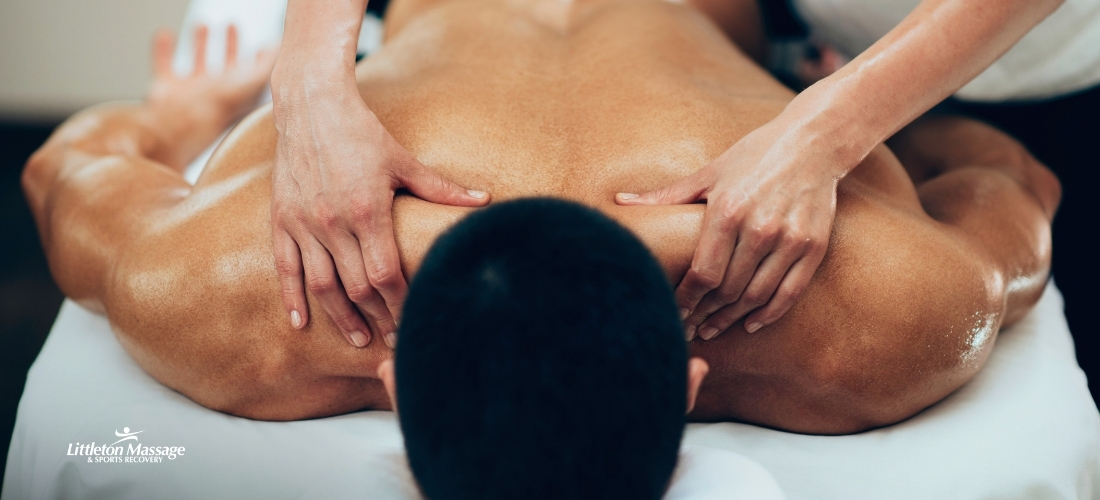
Regular sports massage helps reduce muscle tension while improving flexibility and range of motion. Our skilled therapists use targeted techniques to address areas of tightness, helping muscles and connective tissues move more efficiently.
For cyclists, snowboarders, runners, and other active individuals, improved mobility can lead to better movement mechanics and reduced strain on the body. When your body moves more freely, you’re better prepared to handle the physical demands of outdoor activities.
Reduce Muscle Fatigue and Faster Recovery
Muscle fatigue is a leading contributor to sports-related injuries. When muscles are overworked, they can’t absorb force, support proper movement, or stabilize joints as well. Over time, this can increase injury risk.
Sports massage promotes circulation, helping deliver oxygen and nutrients more efficiently to recovering tissues. These benefits can help reduce muscle soreness, minimize inflammation, and improve overall recovery between activities.
Correct Imbalances and Improve Performance
A key part of how to prevent sports injuries is identifying and addressing muscular imbalances before they become problematic.
Weaknesses, tightness, and repetitive movement patterns can create uneven stress throughout the body. Left unaddressed, these imbalances may contribute to discomfort, poor movement mechanics, and an increased risk of injury.
Sports massage can help therapists identify areas of dysfunction and develop targeted recovery strategies. Addressing these issues may improve posture, movement efficiency, and overall athletic performance while reducing unnecessary strain on muscles and joints.
Whether you’re preparing for ski season or maintaining an active lifestyle year-round, balanced movement patterns can help your body perform more efficiently and withstand greater physical demands.
How Often Should You Get a Sports Massage?
The ideal frequency depends on your activity level, training schedule, recovery needs, and sports injury prevention goals. For most active adults, a massage every two to four weeks can help maintain flexibility, address muscle tension, and support ongoing recovery. People training for events, competing in sports, or spending multiple days a week on the mountain may benefit from more frequent sessions.
A qualified therapist can help create a treatment schedule that aligns with your goals and activity level.
Sports injury prevention starts with a proactive approach to caring for your body. Making recovery part of your regular routine supports long-term health, performance, and mobility.
Sports massage and recovery play an important role in improving flexibility, reducing muscle fatigue, correcting imbalances, and supporting overall physical performance. By investing in recovery today, you can help your body stay prepared for tomorrow’s adventures.
Don’t let muscle soreness, fatigue, or minor aches hold you back from doing what you love. Whether you’re preparing for your next adventure or recovering from one, we’re here to support your goals every step of the way. Reach out today to book your massage and discover how proactive recovery can help you stay strong, healthy, and active in every season.