Your Next Adventure Starts With Sports Recovery
As a runner, hiker, or cyclist, you’re often seeking new trails, longer distances, and faster times. That dedication to performance and adventure places demands on your muscles and joints. While training is important, giving your body time and support to recover deserves a place in your routine, too.
Whether you’re preparing for a marathon, tackling a challenging Colorado hike, or logging miles on your road or mountain bike, sports massage can be part of that recovery plan. It offers an opportunity to address muscle tension, discuss recurring discomfort, and give hardworking areas some attention.
At Littleton Massage and Sports Recovery, we understand the physical demands of an active lifestyle. Our approach to sports massage for runners, hikers, and cyclists considers your activity, training schedule, and individual needs. Alongside rest, nutrition, and appropriate training, massage can support a thoughtful approach to sports recovery. You don’t have to be chasing a personal record to make recovery a priority. Feeling more comfortable during the activities you love is a worthwhile goal.
More Miles, Less Muscle Tension: Sports Massage for Runners
With every stride, runners ask their calves, hamstrings, quadriceps, glutes, and hips to work together. Longer distances, hill workouts, and changes in training intensity can leave these areas feeling tight or sore. Sports massage for runners gives those hardworking muscles focused attention. Your therapist can tailor the session around how you feel, where you notice tension, and what’s coming up on your training calendar.
Common areas of focus include:
- Calves and feet: Addressing muscle tension after repetitive push-offs, long runs, and hill training.
- Hamstrings and quadriceps: Working with tightness in the large muscles that support each stride.
- Glutes and hips: Focusing on areas that can feel restricted after increased mileage or prolonged sitting between workouts.
- Post-run soreness: Using pressure and techniques appropriate to your comfort level, especially after a demanding effort.
Before your session, share any recent changes in mileage, recurring discomfort or upcoming races. A gentle session after a hard run may feel more appropriate than deeper work, and your therapist can discuss those options with you. Sports massage is one part of a broader sports recovery routine. Consistent rest, gradual training changes, and attention to persistent pain also matter.
Give Hardworking Trail Muscles a Break
Colorado’s trails offer plenty of reasons to get outside. They also ask your body to adapt to changing surfaces, steep climbs, and long descents. Add a backpack, and your back and shoulders take on extra work. Even a hike that feels manageable on the way up can leave your legs sore the next morning. Sports massage lets you address that tension with a session shaped around your route, distance, and comfort.
For hikers, treatment may focus on:
- Back and shoulder tension: Targeting muscles that support your posture and carry a pack.
- Glutes and hip flexors: Focusing on areas involved in climbing and taking longer uphill steps.
- Quadriceps and calves: Working with muscles challenged by repeated climbs and controlled descents.
- Feet and lower legs: Addressing tension after hours spent adapting to uneven terrain.
Tell your therapist where you hiked, whether you carried a pack, and which areas feel most uncomfortable. Those details help make the session more personal and useful. Between outings, allow time for recovery and build distance and elevation gradually. Massage can complement those habits as you prepare for your next day on the trail.
Keep Pedaling With Sports Massage for Cyclists
Cycling combines repetitive lower-body movement with long periods in a relatively fixed position. Your hip flexors, quadriceps, hamstrings, and glutes do much of the pedaling work, while your neck, shoulders and back help maintain your riding posture. Sports massage for cyclists can address tension in both areas. Whether you prefer mountain trails or long road rides, your therapist can tailor treatment to the demands of your riding style.
Common areas of focus include:
- Hip flexors and glutes: Addressing tightness that can build during long periods in the saddle.
- Quadriceps and hamstrings: Giving hardworking leg muscles attention after demanding rides.
- Neck and shoulders: Working with tension associated with holding a riding position.
- Lower back: Addressing muscular discomfort while discussing when bike fit or another professional assessment may be helpful.
Before a big ride, discuss the timing and intensity of your session with your therapist. Avoid trying unfamiliar, intensive massage immediately before an important event. Afterward, let your therapist know how demanding the ride was and how sore you feel so they can adjust treatment. The goal is a session that fits your needs. Sports massage for cyclists works best as part of a sports recovery plan that also considers rest, training load, nutrition, and bike fit.
You put thought into your training, equipment, and next destination. Your recovery deserves that same attention. At Littleton Massage, we tailor each session to your activity, comfort level, training phase, and goals. Depending on your needs, treatment may include techniques such as deep tissue massage, myofascial release, or trigger point therapy.
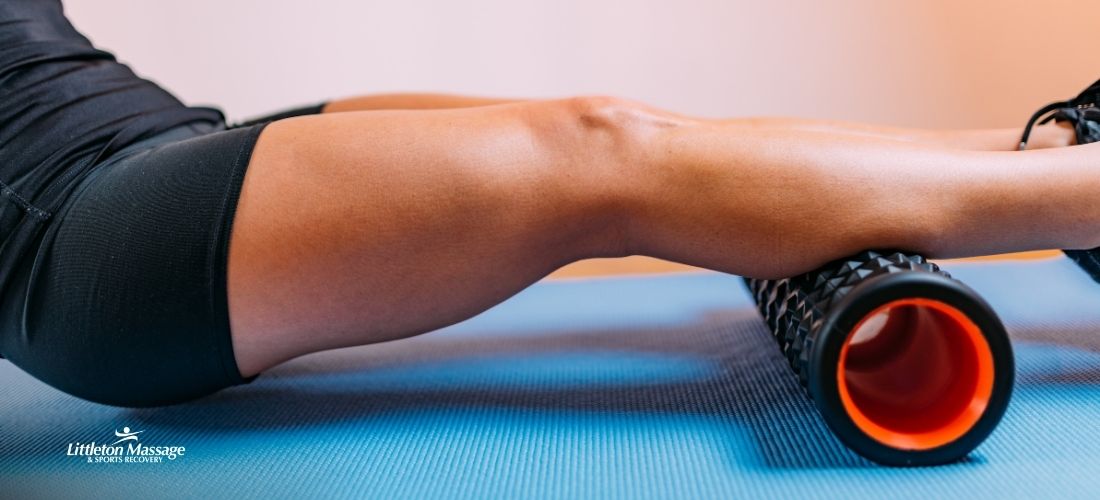
Beyond massage, our functional recovery services offer additional ways to support your routine. We can also help you understand how to use recovery tools for athletes between visits. Whether you’re looking for sports massage for runners, sports massage for cyclists, or support after a weekend on the trails, we’re here to listen and help you care for the muscles that carry you through it all.
Give your next adventure a little recovery time. Contact Littleton Massage to schedule a personalized session.