How Is Trauma Stored in the Body?
Many people are surprised to learn how deeply the body holds onto past experiences. When we talk about trauma stored in the body, we are referring to the way the body physically holds onto unresolved emotional experiences, stress, injuries, or surgeries. These experiences don’t just affect the mind. They can also become embedded in the body through the fascia, nervous system, and muscular system. Over time, the body may develop protective patterns, such as tightness, guarding, or restricted movement, in response to past events. These patterns can show up long after the original experience has passed.
From a mind-body perspective, modern somatic science shows that the body and brain are deeply interconnected. This means that emotional experiences can influence physical function and vice versa. As a result, individuals may experience a range of ongoing symptoms linked to trauma stored in the body, including chronic pain, stiffness, fatigue, anxiety, and limited mobility.
Why Myofascial Release Is Helpful for Trauma
Myofascial release (MFR) is great for trauma stored in the body because it helps release tension in the fascia, improving your body’s mobility, alignment, and overall flexibility. Many clients report feeling lighter, emotionally relieved, and freer in movement. Research indicates that this technique supports both physical and emotional healing, making it a valuable practice for anyone seeking lasting relief and well-being.
Myofascial release is a gentle, hands-on technique that eases tension in the body’s connective tissue, or fascia. By applying gentle, sustained pressure, MFR eases muscle soreness, reduces inflammation, and improves circulation, supporting faster physical recovery. Because fascia can hold emotional memories, therapy may allow trauma stored in the body to release safely, sometimes bringing emotional responses such as tears, shaking, or sighs during or after a session. This powerful connection between body and mind offers a supportive, non-invasive way to help individuals feel more balanced, grounded, and at ease in their bodies.
Is MFR Therapy Right For You?
Myofascial release therapy targets tension and trauma stored in the body from past injuries, surgeries, or emotional experiences. It’s ideal for anyone seeking relief from chronic pain, stiffness, or discomfort linked to unresolved trauma. Therapy may be particularly beneficial for those who have experienced surgery, accidents, loss, abuse, challenging relationships, childbirth, or other significant life events.
A Note from Jennifer, Licensed Massage Therapist:
“As professionals of bodywork, we need to be aware that the majority of our clients have suffered trauma in some way (physical or emotional abuse, stress, injuries, or surgeries), and we need to be mindful of how trauma affects the body.
Trauma creates “body memories” by storing unresolved survival stress (fight, flight, or freeze) as chronic muscle tension, shallow breathing, and altered posture. Body memories are physical sensations, emotions, or behavioral impulses, such as muscle tension, pain, or a racing heart, that store past experiences within the body rather than in conscious memory. These implicit, non-verbal memories act as a somatic blueprint that can be triggered long after an event.
While bodywork does not replace counseling, it plays a meaningful role in helping clients understand how trauma lives in the body and how regular therapeutic work can support the healing process. We also encourage clients to work alongside licensed professionals, including dieticians, physical therapists, and personal trainers, to support their overall well-being.”
Our team provides a safe, private, and judgment-free environment where you feel fully supported. We tailor sessions to your unique needs, focusing on both physical relief and emotional release. Myofascial release for trauma allows your body to let go of what it has been holding, guiding you toward healing, balance, and a nurturing sense of well-being.
What to Expect During a Session
At Littleton Massage & Sports Recovery, myofascial release sessions begin with a thorough assessment. Our experienced therapists carefully examine posture and identify areas of tension or restriction throughout the body. This personalized evaluation ensures that the treatment targets the specific locations where fascia has become tight or restricted, allowing for the most effective release.
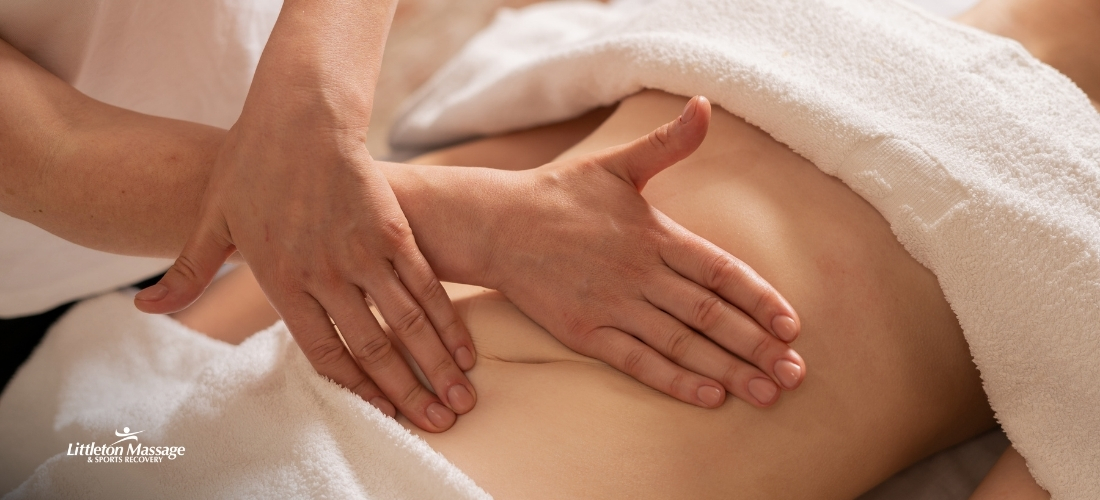
During the session, therapists apply gentle, sustained pressure to these areas, typically held for 90–120 seconds or longer. This slow, deliberate approach allows the fascia to gradually release, promoting deep tissue relaxation and improving overall mobility. Sessions are safe, comfortable, and restorative. They help clients of all ages and athletic abilities move more freely, relieve pain, and experience a renewed sense of balance and lightness in the body.
Clients may notice a range of sensations as the therapy progresses. It is common to feel mild discomfort initially as tight areas are gently worked. This often gives way to a deep sense of relaxation and relief. Many describe feeling lighter, freer, and more balanced in their body by the end of the session.
Trauma can create tension and restrictions in the body’s connective tissue, accumulating over time from life’s most challenging experiences. The good news is you don’t have to live with this discomfort. Through gentle, targeted massage therapy, these physical and emotional blockages can be eased.
Our personalized sessions promote improved circulation, ease fascial restrictions, and support natural movement. By addressing tension at its source, these sessions relieve discomfort, enhance mobility, and leave you feeling lighter.
Take the first step toward a freer, more comfortable body. Schedule your session today and experience the relief you deserve.