Feeling Puffy or Heavy? Your Body May Be Holding Extra Fluid
Do your legs feel puffy, heavy, or unusually tight? Are you experiencing swelling after surgery? Perhaps your shoes, clothing, or jewelry fit more snugly than usual, or your body feels slow to recover after an injury, procedure, or period of inactivity.
These symptoms can have many causes, but they may sometimes be connected to fluid accumulating in the body’s tissues. Because the lymphatic system works behind the scenes, you may notice swelling or heaviness without realizing that disrupted lymph flow could be contributing.
Common signs of fluid buildup may include:
- Puffiness or swelling in the arms, hands, legs, feet, or ankles
- Heaviness or tightness in an affected limb
- Tight or uncomfortable skin
- Reduced movement or flexibility around a swollen area
- Clothing, shoes or jewelry fitting more snugly
- Persistent swelling after an injury or medical procedure
Swelling, heaviness and tightness can be signs of lymphedema, a condition in which lymph fluid does not drain normally. However, having these symptoms does not necessarily mean you have lymphedema. This condition is a common side effect of certain illnesses, injuries, and medical treatments that damage or disrupt the lymphatic system.
Massage therapists cannot diagnose the cause of swelling. New, unexplained, or persistent symptoms should be evaluated by a healthcare professional before you schedule a massage.
What Is Lymphatic Drainage Massage?
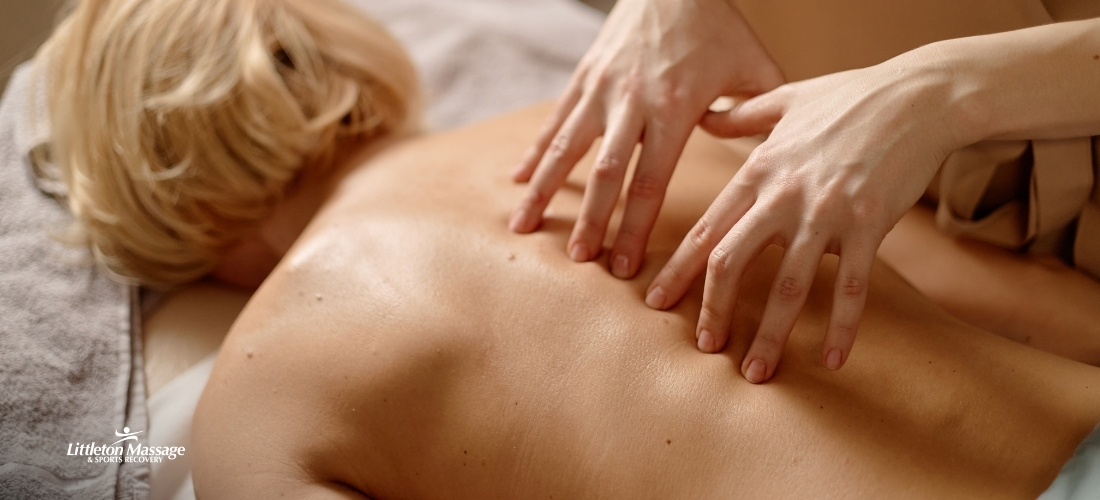
Lymphatic drainage massage, also known as manual lymphatic drainage, uses light pressure and gentle, rhythmic movements to support the natural flow of lymph fluid.
The lymphatic system is a network of vessels, nodes, and organs that helps regulate fluid levels and support immune function. It collects excess fluid from the body’s tissues, filters it through the lymph nodes, and returns it to the bloodstream.
Unlike the circulatory system, the lymphatic system has no pump like the heart. Instead, it relies partly on breathing, movement, and muscle contractions to keep fluid flowing. That is one reason extended periods of inactivity may leave the body feeling puffy or heavy.
During a session, the therapist uses slow, targeted movements to guide fluid from swollen tissues toward areas where it can drain more effectively. As the Cleveland Clinic explains, treatment often begins near major lymph-node regions, such as the neck, abdomen, or armpits, before moving toward swollen areas. Because lymphatic vessels lie close to the skin’s surface, deeper pressure is not necessarily more effective.
At Littleton Massage & Sports Recovery, our therapists use this established approach while tailoring each session to your needs and comfort level.
Lymphatic massage may also be used for cosmetic purposes. Facial lymphatic drainage uses gentle movements to encourage fluid away from puffy areas. The treatment may temporarily reduce facial puffiness and leave the skin looking refreshed, making it a relaxing option for people who prefer a gentle facial treatment.
Why Lymphatic Drainage Massage Belongs in Your Recovery Plan
Tissue disruption, temporary inflammation, and reduced movement can all contribute to fluid buildup during recovery. With clearance from your surgeon or medical provider, lymphatic drainage massage may complement your post-surgical care. The goal is not to rush healing, but to support your body gently as it recovers.
In addition to helping reduce swelling and fluid retention, lymphatic drainage massage may promote relaxation, support healthy lymphatic function, and ease some symptoms associated with neuropathy. Every session is tailored to your health history, symptoms, and comfort level. Some people feel lighter or less puffy afterward, while others may benefit from multiple sessions or additional care.
Before booking lymphatic drainage massage after surgery, ask your surgeon:
- Is lymphatic drainage massage appropriate at this stage of recovery?
- Are there areas the therapist should avoid?
- Should I continue wearing prescribed compression garments?
- Which symptoms require medical attention?
When your body feels swollen, puffy, or slow to recover, more pressure is not always the answer. Lymphatic drainage massage offers a gentle approach focused on fluid movement and comfort.
At Littleton Massage & Sports Recovery, your session begins with a conversation about your symptoms, health history, and recovery goals. Ready to find out whether lymphatic drainage massage may be right for you? Book a session with one of our therapists.