Is Your Massage Aftercare Supporting Recovery or Slowing It Down?
Knowing what to do after a massage can directly impact how well your body recovers and how long the benefits of your session last. Whether you had a relaxing therapeutic massage or sports recovery treatment, the next 24-48 hours matter more than most people realize.
Proper massage aftercare can help reduce soreness, improve mobility, support muscle recovery, and keep your body feeling better long after you leave the table. Simple recovery habits like hydration, light stretching, Epsom salt baths, and hot or cold therapy can make a significant difference in how your body heals, performs, and responds after treatment.
Hydration Plays the Most Important Role in Aftercare
Hydration is one of the most important parts of effective massage aftercare. After a massage, your body is actively responding to increased circulation, released muscle tension, and stimulated soft tissue. Drinking enough water supports these natural processes and helps your body recover more efficiently. During massage therapy, blood flow increases, and muscles are worked to help release tightness, adhesions, and built-up tension.
Proper hydration helps your lymphatic system and kidneys process and flush these byproducts, which may reduce post-massage soreness, stiffness, or fatigue. This is especially important after deeper or more targeted work, such as deep tissue massage, sports massage, trigger point therapy, or myofascial release. These techniques place more stress on muscles, increasing the need for recovery support. Staying hydrated helps support muscle recovery, reduce lingering tightness, and improve overall recovery after a massage.
Hydration Tips After Massage:
- Drink extra water throughout the rest of the day, not just immediately after your session
- Avoid or limit alcohol right after your massage, as it can contribute to dehydration and slow recovery
- Add electrolytes if you had an intense workout before your massage or tend to sweat heavily
- Continue consistent hydration into the following day to fully support tissue recovery and energy balance
Why Your Body Needs Movement and Stretching
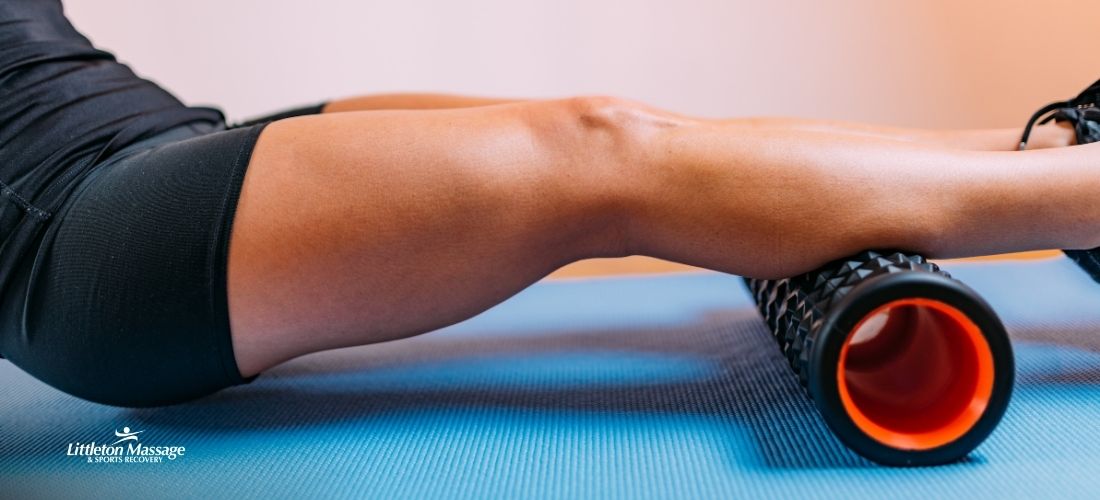
Gentle movement is an important part of massage aftercare because it helps your body maintain the benefits of your session. Light stretching after a massage helps maintain flexibility, improve circulation, and reduce the likelihood of muscles tightening back up too quickly. It also supports circulation and may help reduce post-session stiffness.
At Littleton Massage & Sports Recovery, stretching and mobility work are often incorporated into recovery-focused sessions. They play an important role in improving range of motion, releasing lingering tension, and helping clients move more freely after treatment. Post-massage movement should focus on gentle mobility rather than intense flexibility training.
Best Types of Post-Massage Stretching:
- Gentle neck and shoulder stretches to release upper-body tension
- Hip openers to reduce tightness in the lower body and support mobility
- Short walks to keep blood flowing and prevent stiffness
It’s important to avoid aggressive or intense stretching immediately after deep tissue or therapeutic work. The muscles have already been stimulated, and overloading them can create unnecessary soreness or irritation.
Other Tools to Maximize Recovery
Recovery tools like Epsom salt baths, heat therapy, and cold therapy can help reduce soreness, improve circulation, and support faster recovery after a massage. The best option depends on how your body feels after treatment.
Epsom Salt Baths: Help relax muscles, reduce soreness, and support full-body recovery after deep-tissue or sports massage.
Helpful Tips:
- Use warm water
- Add 1–2 cups of Epsom salt
- Soak for 15–20 minutes
- Hydrate afterward
Heat Therapy: Helps relax tight muscles, improve circulation, and reduce stiffness.
Helpful Tips:
- Use a heating pad or warm compress
- Book an infrared sauna session
- Use later in the day or the following day if stiffness appears
Cold Therapy: Helps reduce soreness and calm irritated muscles after deeper bodywork.
Helpful Tips:
- Apply ice packs to sore areas
- Use for 10–15 minutes at a time
Using the right recovery method alongside hydration, stretching, and rest can help maximize your massage results and improve overall recovery.
Knowing what to do after a massage is one of the most important parts of getting the full benefit from your session. Strong massage aftercare habits make a big difference in how you feel in the hours and days that follow. Proper after massage care helps extend the benefits of your session and supports better mobility and recovery.
At Littleton Massage & Sports Recovery, every session is designed to support recovery, improve mobility, and reduce tension through therapeutic massage, sports therapy, and assisted stretching. If you’re looking to get the most out of your treatment, schedule your session today and make massage a consistent part of your wellness and recovery routine.