Your Body Wasn’t Designed to Hurt for a Living
For many people, muscle tension and soreness simply feel like part of the workday. A stiff neck after hours at the computer. Aching shoulders from repetitive movement. A tight lower back after lifting, bending, or prolonged standing. Because these discomforts are so common, they’re often dismissed as an occupational hazard. But work related muscle pain is not something your body is designed to “just live with.” In many cases, it’s your body’s early warning system, signaling stress, strain, and imbalance before more serious issues develop.
How Does Work Related Muscle Pain Develop?
Muscle pain rarely appears out of nowhere. It typically builds gradually through repeated stress placed on the body. Experiencing work related muscle pain does not mean you’re doing something wrong, but ignoring it can allow small stress patterns to evolve into larger problems.
Repetitive Movements: Typing, reaching, lifting, twisting, and even small motions repeated throughout the day can overload specific muscle groups. Over time, muscles tighten, fatigue, and develop painful tension patterns.
Poor Posture: Modern work environments often encourage positions the body doesn’t love. Forward head posture, rounded shoulders, and prolonged sitting place continuous strain on the neck, back, and hips.
Lifting and Physical Demands: Jobs involving manual labor, carrying, or frequent bending create micro-stress in muscles and connective tissue. Without proper recovery, this stress accumulates.
Prolonged Standing: Standing for extended periods can create tension through the lower back, hips, and legs, often leading to soreness, stiffness, and fatigue.
Don’t Normalize What Your Body Is Signaling
One of the most common misconceptions surrounding work related muscle pain is the belief that discomfort is simply part of the job. When soreness becomes routine, it’s easy to label it as an occupational hazard and push through it.
But ongoing pain is not a normal baseline. Persistent tightness, soreness, and tension are often early signals of muscular imbalance, restricted mobility, compensation patterns, or developing strain injuries. When left unaddressed, what begins as minor discomfort can gradually progress into more complex problems, including chronic pain, reduced mobility, and repetitive strain injuries.
Your body is not overreacting. It’s communicating.
Many people normalize these symptoms for months or sometimes years before seeking care. Proactive recovery becomes especially important if you notice recurring tightness, stiffness that worsens during the workweek, lingering soreness, decreased flexibility, or persistent muscle fatigue. Early intervention is typically simpler, more comfortable, and far more effective.
The Long-Term Solution: Proactive Recovery
Depending on your needs, treatment may include:
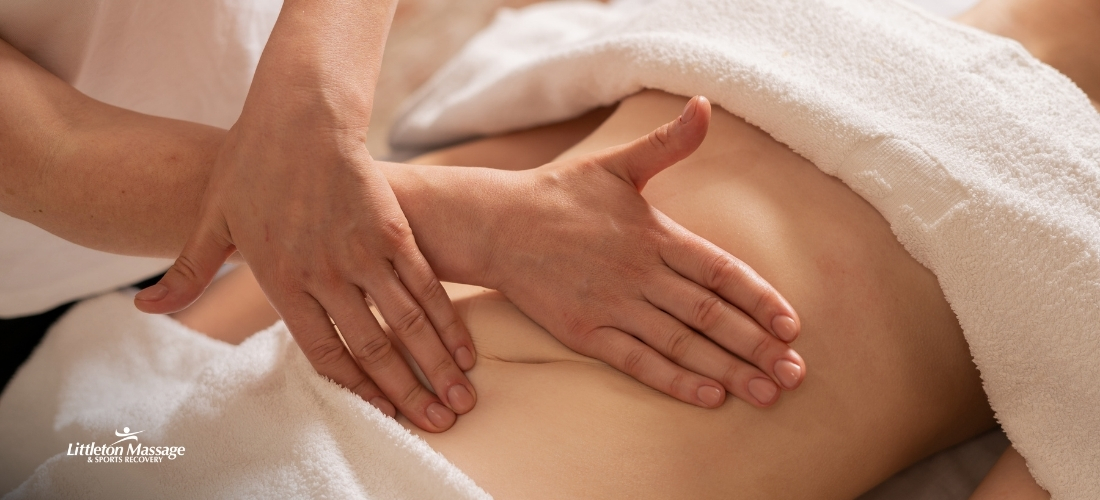
- Therapeutic Massage: Targeted relief for chronically tight or overworked muscles
- Deep Tissue Massage: Release of deeper tension and adhesions that build over time
- Myofascial Techniques: Improved mobility and tissue flexibility for smoother movement
At Littleton Massage & Sports Recovery, sessions are customized to your specific pain patterns, movement habits, and occupational demands because no two bodies (or jobs) create tension in exactly the same way.
With consistency, therapeutic massage supports:
- Release of accumulated muscle tension
- Improved circulation and tissue health
- Restored mobility and flexibility
- Reduced stress-related tightness
- Prevention of worsening strain patterns
Rather than chasing pain after it escalates, recovery helps interrupt the cycle before small issues become significant injuries.
Work related muscle pain is incredibly common, but it isn’t something you simply have to accept as an occupational hazard. Muscle tension from posture, repetitive movement, and physical stress responds exceptionally well to proactive recovery and therapeutic massage care.
At Littleton Massage & Sports Recovery, treatments like therapeutic massage and customized sessions help muscles relax, improve circulation, and ease persistent tightness. If your work routine is taking a toll on your body, scheduling a session can help you feel better, move more easily, and stay ahead of discomfort.