Why Winter Makes Muscles Feel Tighter & More Painful
Heat therapy becomes especially important during winter, when colder temperatures naturally cause muscles to tighten, circulation to slow, and joints to feel less mobile. Add shorter days, reduced daily activity, and winter activities like snow shoveling or skiing, and it’s no surprise that many people experience increased stiffness and lingering soreness this time of year.
Winter muscle stiffness isn’t a sign that your body is “breaking down.” It’s a normal response to cold weather and reduced circulation, one that can be addressed with the right recovery approach.
How Heat Therapy Supports Circulation, Mobility, & Relief
Heat therapy increases blood flow and relaxes tight tissue. When warmth is applied, blood vessels expand, allowing more oxygen and nutrients to reach muscles while helping the body release built-up tension.
Improved circulation supports mobility by making muscles more pliable and joints easier to move. Heat also helps calm the nervous system, which can reduce the body’s protective guarding response, one of the main reasons muscles feel tight or restricted during colder months.
In winter, when the body naturally braces against the cold, heat therapy plays a critical role in restoring balance and supporting smoother, more comfortable movement.
Hot Stone Massage vs. Sauna: Functional Tools for Winter Recovery
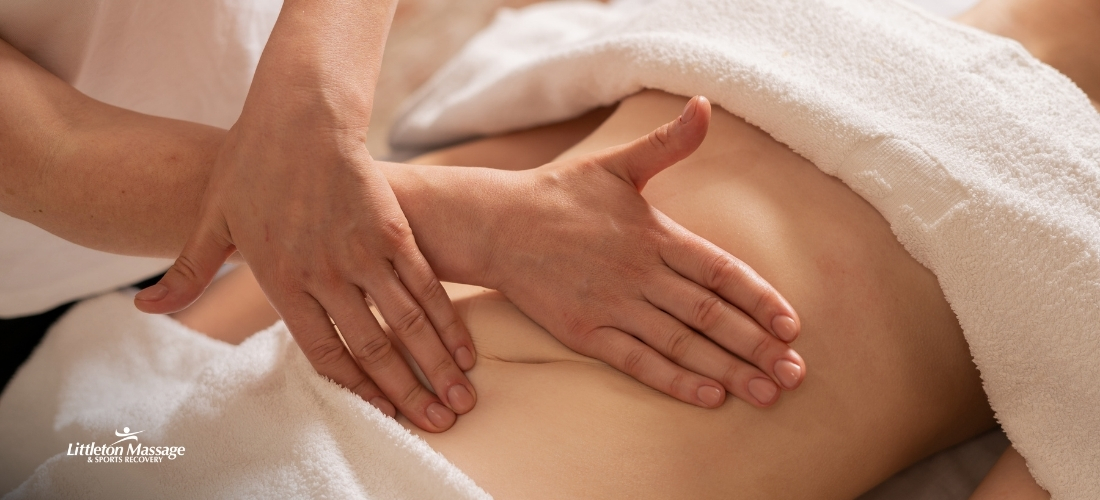
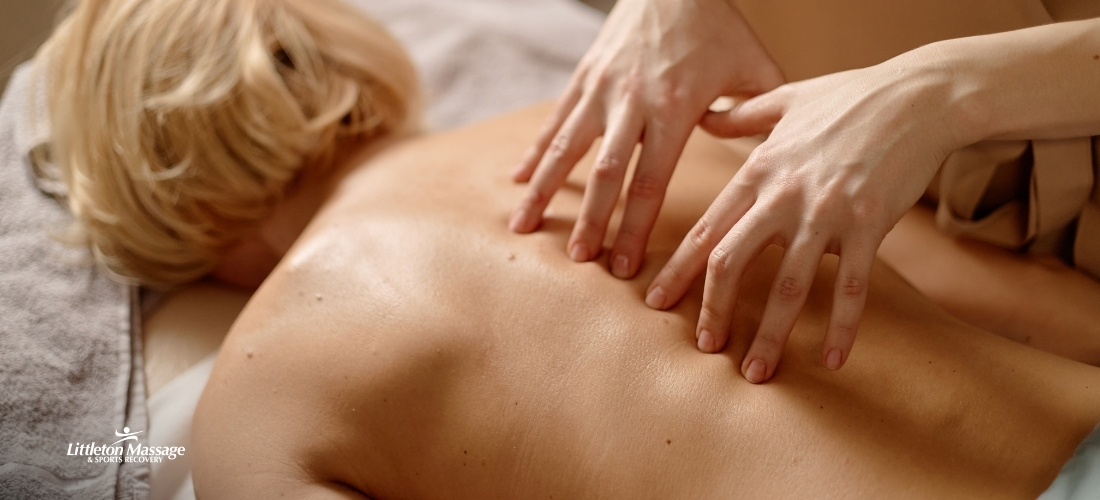
The benefits of hot stone massage go far beyond relaxation. Heated stones allow therapists to work more deeply and efficiently, helping muscles release without excessive pressure. This makes hot stone massage especially effective for addressing winter muscle stiffness and chronic tension patterns.
Sauna therapy benefits the body in a different but equally important way. The consistent, full-body heat promotes circulation, supports muscle relaxation, and helps the body unwind from physical and mental stress. In winter months, sauna sessions can feel like a reset, counteracting the cold, supporting recovery, and helping the body maintain mobility.
Since heat-based recovery addresses the underlying effects of cold weather, not just where pain shows up, it’s especially helpful for people who feel like their discomfort keeps coming back.
Why Consistency with Heat-Based Recovery Matters in Winter
Winter stiffness and tension don’t develop overnight, and they rarely resolve with a single session. Consistent heat-based recovery allows your body to gradually adapt, hold improved movement patterns longer, and prevent tightness from building back up between sessions.
When massage and sauna sessions become part of a regular winter routine, your body stays ahead of the cold instead of constantly reacting to it. Muscles remain warmer, circulation responds more quickly, and movement feels easier day to day. Over time, this consistency helps maintain flexibility and range of motion, especially for winter activities like skiing or snowboarding, so you can stay active, confident, and comfortable even in the coldest months.
Winter doesn’t have to mean accepting stiffness, soreness, or slower recovery. Heat therapy is a practical, effective way to support your body through the colder months, helping muscles relax, making movement easier, and keeping pain manageable.
At Littleton Massage & Sports Recovery, we use tools like hot stone massage, warm towels, and sauna therapy as part of a thoughtful, results-driven approach to winter recovery. If your body feels tighter or more limited this time of year, scheduling a session can help you stay active, comfortable, and confident all winter long.