What is Neuromuscular Massage?
Neuromuscular massage (NMT) is a specialized form of therapeutic bodywork designed to address pain at its source. Instead of focusing solely on relaxation, this technique targets dysfunctional muscle patterns, nerve irritation, and tight areas known as trigger points that can cause pain both locally and elsewhere in the body.
Unlike traditional massage styles that aim to “feel good,” neuromuscular massage is results-driven. Each session is guided by assessment, movement awareness, and intentional pressure to help restore proper muscle function and improve the body’s overall movement.
How It Works on Trigger Points
Trigger point massage is a core component of neuromuscular massage. Trigger points are hypersensitive knots within muscle tissue that restrict blood flow, limit movement, and often refer pain to other areas—such as shoulder tension causing headaches, or hip tightness contributing to low-back pain.
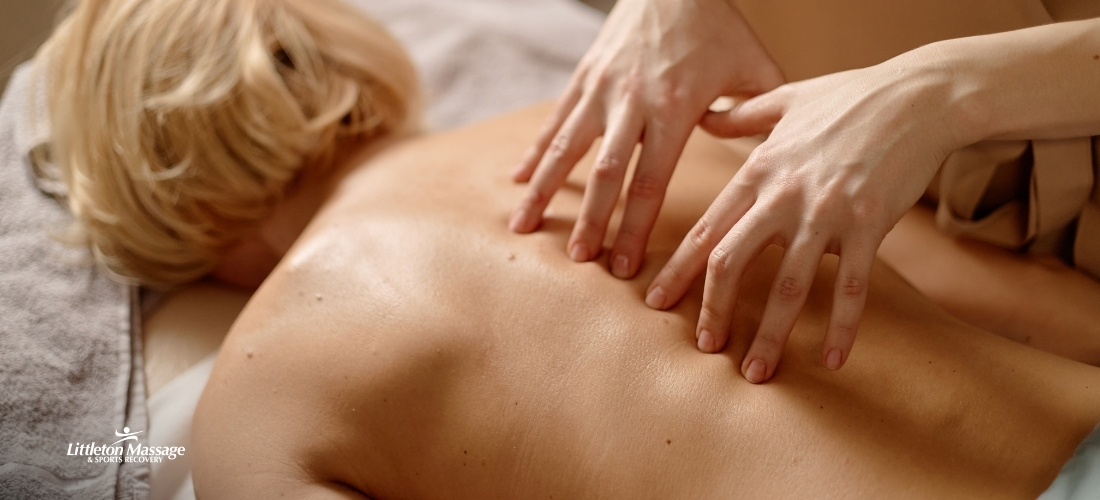
During a neuromuscular massage session, the therapist applies slow, focused pressure to these trigger points. This sustained approach encourages the muscle fibers to relax, restores circulation, and helps calm irritated nerves. Over time, this can reduce pain patterns, improve range of motion, and support healthier movement habits.
What Conditions Can Neuromuscular Massage Address?
Neuromuscular massage is commonly used to support people dealing with persistent or recurring discomfort, including:
- Chronic neck and shoulder tension
- Low-back pain and sciatica symptoms
- Headaches related to muscle tension
- Repetitive strain injuries
- Postural imbalances from work or training
- Sports-related overuse and recovery needs
Because neuromuscular massage works by retraining muscles and calming irritated nerves, meaningful change often occurs over a series of sessions rather than just one visit. Long-standing tension patterns don’t develop overnight, and they rarely resolve in a single appointment.
When clients return consistently, therapists can build on previous work, track progress, and gradually reduce the intensity and frequency of trigger points. Each session helps the body hold new, healthier movement patterns longer, making relief feel more stable and less temporary over time.
This is why neuromuscular massage is especially effective for people who feel stuck in a cycle of pain. Instead of starting over each visit, consistent care allows treatment to move forward, addressing deeper patterns, supporting recovery, and helping discomfort stay away for good.
What to Expect During a Session
A neuromuscular massage session begins with listening. Your therapist will ask about your pain history, movement patterns, and daily activities to understand what’s contributing to the issue. Treatment is then tailored specifically to your body that day.
Pressure may feel more focused than a relaxation massage, but it should always feel productive rather than overwhelming. Therapists adjust techniques in real time to ensure the work supports relief, mobility, and long-term progress.
If you’ve tried massages that feel good in the moment but don’t create lasting change, neuromuscular massage may be the missing piece. By addressing trigger points, muscle imbalances, and movement restrictions, this approach helps your body move better, not just temporarily relax.
At Littleton Massage & Sports Recovery, every neuromuscular massage session is customized to your needs, goals, and activity level. If you’re ready to stop managing pain and start understanding it, book your appointment with our expert team.